Burabay National Park Day Trip
Winter Visitor Guide

Burabay National Park Winter

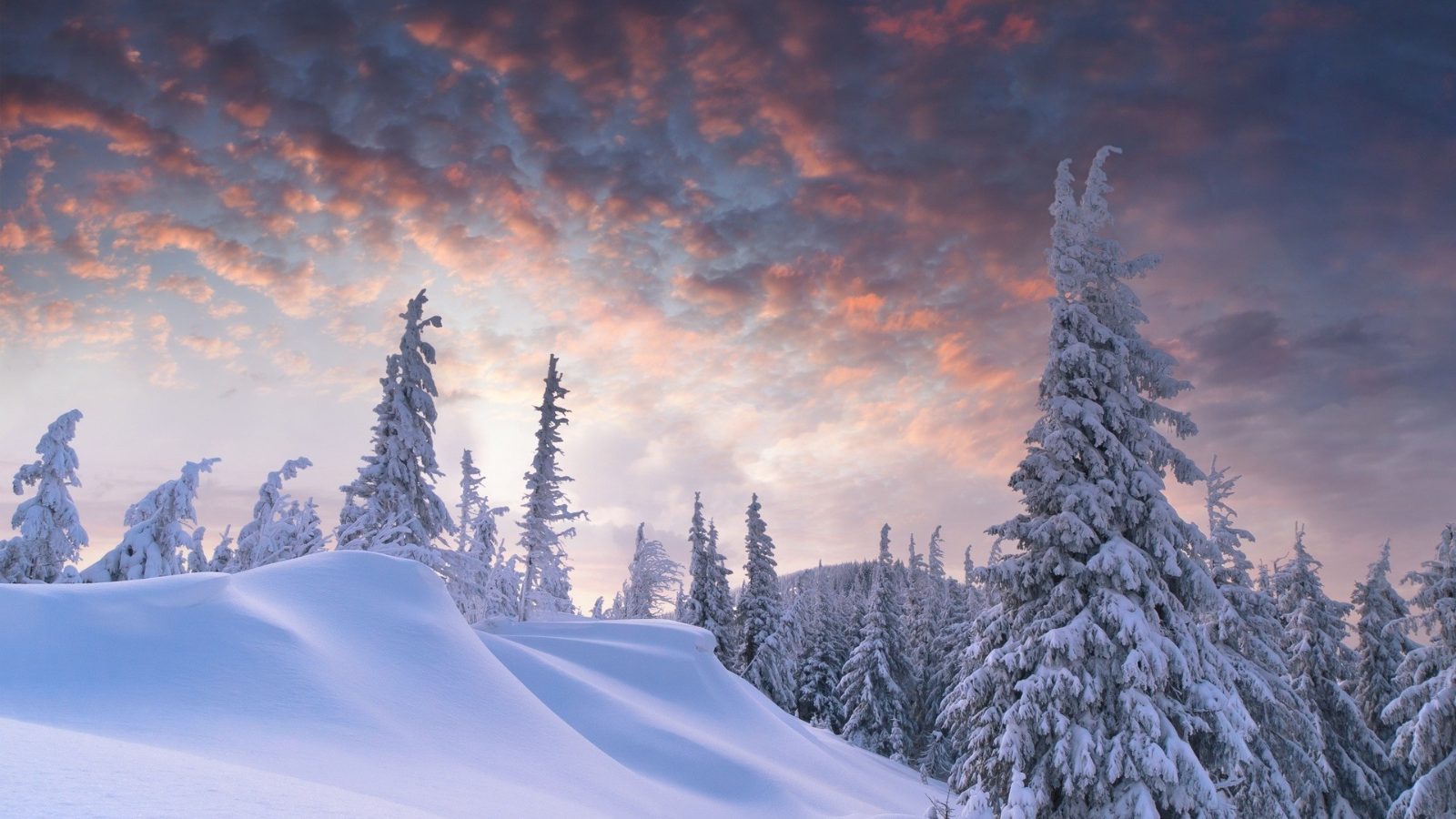
The Kazakh steppe winter reshapes Burabay National Park into a snow-bound terrain where lakes freeze solid and granite formations emerge white against blue sky. The park remains open year-round, but access conditions and visitor logistics shift dramatically between November and March. This guide covers what changes, what stays open, and how to plan a cold-season visit to the Akmola Region reserve.

7 min read Updated 2026-08-20 Fact-checked
Burabay National Park Winter

Quick answer

Burabay National Park winter spans late November through early March, when temperatures drop to -20°C and lakes freeze under ice thick enough for walking. The park accepts visitors 24 hours daily throughout the season with the same 1,500 KZT conservation fee. Trails remain accessible but require proper winter footwear, and morning arrivals between 06:00 and 10:00 offer the clearest light on snow-covered peaks and frozen water surfaces.

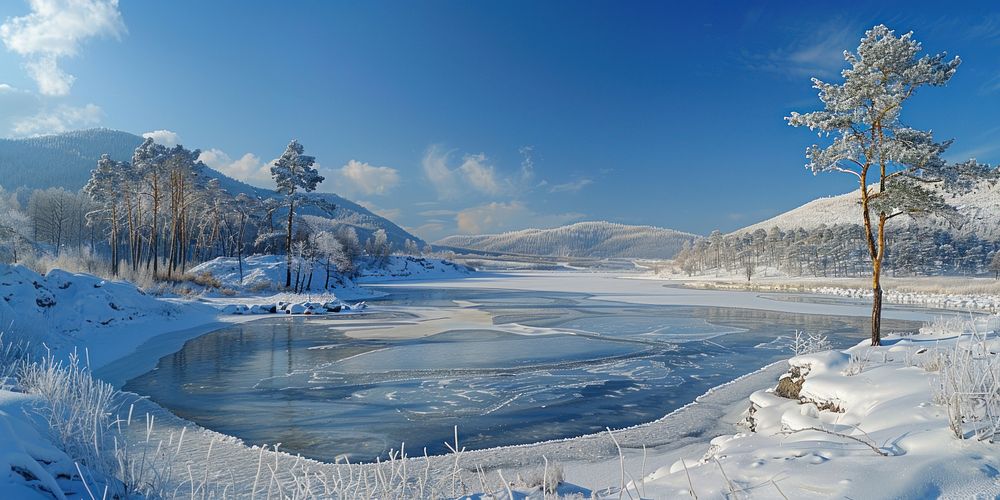
Lake Borovoye freezes in predictable layers starting mid-December, a process locals measure by ice-fishing auger depth rather than calendar date. By January the surface supports foot traffic, and by February trucks cross the narrower bays. The transformation is not purely visual—winter acoustics change how sound travels across the reserve, and frozen ground opens cross-country routes impassable in summer mud. Visiting burabay national park winter requires adjusting expectations around mobility and daylight. Trails that take forty minutes in July can stretch to ninety under packed snow. The Zheke-Batyr rock formation, normally approached via a gentle forest path, becomes a steep scramble when ice coats the final switchbacks. Yet winter opens access to shoreline sections flooded in spring, and the absence of summer crowds means uninterrupted views of the Kokshetau massif. The park's infrastructure remains operational but scaled to lower visitor volume. The administration office near Borovoye village maintains the same contact line—+7 71636 7 12 36—and processes entrance permits without seasonal interruption. However, roadside facilities in the surrounding district reduce hours, and mobile network coverage weakens under heavy snow. Visitors should confirm transport arrangements in advance and carry offline maps, as GPS accuracy drops near granite outcrops during storms. Winter wildlife activity concentrates around unfrozen springs and south-facing slopes where solar gain melts snow cover first. Red deer move lower into valleys, and tracks become readable narratives across blank snow. The same conservation fee applies year-round, but the value proposition shifts—winter trades botanical diversity for stark geological clarity and the rare silence of a frozen lake at dawn.

“By February the ice on Lake Borovoye reaches seventy centimeters, thick enough that locals drive trucks across the narrower bays.”
Timing

Optimal Timing for a Burabay National Park Winter Visit

January and February offer the most stable snow cover for winter activities, though temperatures frequently drop well below freezing. Planning visits during the early morning window ensures you maximize the limited daylight hours available during the winter season.

January–February

Minimal crowds

Cold, -15°C to -25°C; heavy snow. These months provide the most consistent conditions for ice-based activities on the lakes.

December

Moderate weekend crowds

Variable, -10°C to -20°C. Early winter features shorter days and frequent snowfall, affecting local road conditions.

Weekday mornings

Low traffic

—;—, daylight visibility. Arriving between 06:00 and 10:00 provides the clearest light for viewing frozen lake landscapes.

Verdict: The best time for a winter visit is mid-week in January or February, arriving between 06:00 and 10:00 to utilize stable snow conditions and morning light.

Opening hours

Burabay National Park Winter Opening Hours

Burabay National Park remains accessible throughout the winter season, maintaining its schedule daily to accommodate visitors. Please be aware that while park access is maintained, specific facilities and visitor services may operate with limited hours or reduced availability during the colder months.

monday
00:00–23:59
tuesday
00:00–23:59
wednesday
00:00–23:59
thursday
00:00–23:59
friday
00:00–23:59
saturday
00:00–23:59
sunday
00:00–23:59
The park does not enforce a formal last-entry cutoff time due to its status as a protected natural area with 24-hour access.

Although the park gates remain open 24 hours a day year-round, winter conditions may affect access to certain roads or trailheads. Visitors should prepare for shorter daylight hours and check local conditions before arrival.

Directions

Navigating to Burabay National Park in Winter

Burabay National Park is located in the Burabay District of the Akmola Region. During winter, the most reliable approach is via the A1 highway from Astana or by rail to Burabay-Resort station.

Train 3 hours

Astana to Burabay-Resort station

Car 3 hours

A1 highway from Astana

Taxi 3 hours

Direct transfer from Astana or Kokshetau

Plan your travel to arrive within the best arrival window of 06:00–10:00 to maximize daylight hours for your visit. Road conditions on the A1 can vary in winter, so check local weather alerts before departure.

What to see

Notable Burabay National Park Winter Sights

Winter in Burabay transforms the landscape into a snow-covered expanse of frozen lakes and ice-dusted granite formations. These locations offer access to the park’s geological and natural features during the colder months.

Lake Borovoye

Lake Borovoye

This lake freezes over completely, creating a expansive white surface that allows for walking and views of the surrounding mountains. During winter, the contrast between the ice and the pine forest is distinct.

Walk onto the lake surface for a panoramic view of Okzhetpes.
Okzhetpes Rock

Okzhetpes Rock

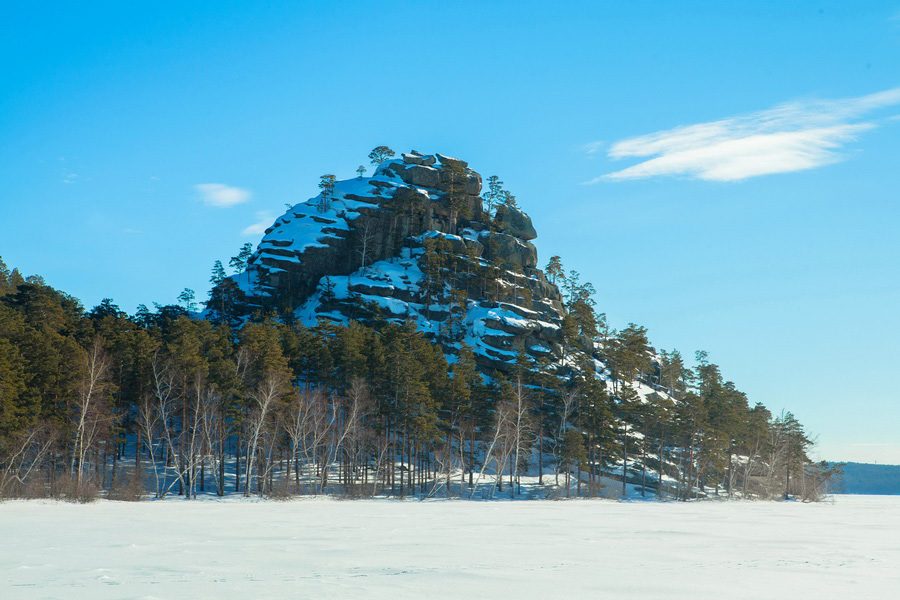
A granite formation that rises above the landscape, remaining accessible via winter hiking trails through the pine woods. It serves as a prominent landmark throughout the year.

Approach from the base during the morning for best lighting.

Zhumbaktas Rock

Zhumbaktas Rock

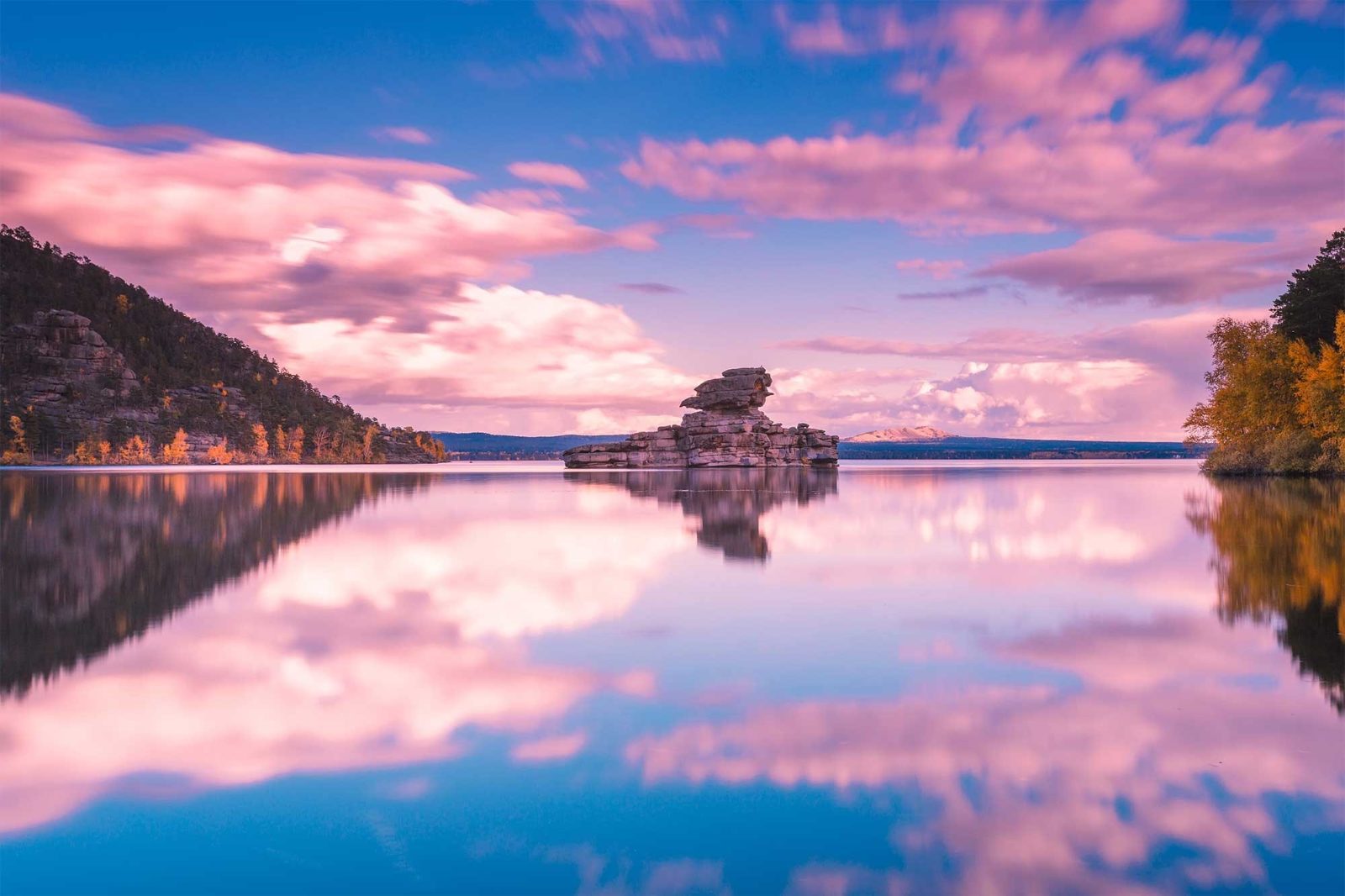
Located within the waters of Lake Borovoye, this rock formation features unique silhouettes often highlighted by snow accumulation. It is reached by crossing the frozen lake ice.

View from the southern shore to see the distinct shape.

Abylai Khan Glade

Abylai Khan Glade

A historical site surrounded by forest that provides a sheltered environment for viewing the park's characteristic granite peaks. The area remains quiet and accessible under winter snow cover.

Visit when the sun is low to capture shadows on rock.

Checklist

Essential Burabay National Park Winter Gear and Preparation

Winter conditions at Burabay demand specialized cold-weather gear and vehicle preparation for safe exploration.

Book

Check availability

Frequently asked

Frequently asked questions about burabay national park winter

Everything you need to know about burabay national park winter

Is burabay national park winter travel recommended?

Visiting burabay national park winter provides a unique perspective on the frozen pine forests and ice-covered lakes of Kazakhstan. Many travelers find the quiet landscape peaceful, though you should prepare for sub-zero temperatures and snowy paths. Planning your burabay national park winter excursion requires appropriate gear for the northern climate. During the colder months, ensure your transport is equipped for icy roads while exploring this landmark of the Akmola Region. The entrance fee for the conservation area is 1,500 KZT per person. Please note that this conservation fee remains consistent for all visitors regardless of the season. The park remains open daily from 00:00 to 23:59. While access is available around the clock, outdoor activities are best conducted during daylight hours for safety. Exploring the Kazakhstan nature reserves during the snowy season offers a serene experience compared to summer peak times. For optimal photography of the ice formations, aim to arrive between 06:00 and 10:00 to catch the morning light. The morning clarity provides the best views and reflections on the frozen lake surfaces. Visitors should prioritize staying on marked trails and paths to avoid deep snow drifts or ice hazards. Check local weather reports before your trip, as conditions in the Burabay District can change rapidly throughout the day.

Keep reading

More guides & pages